
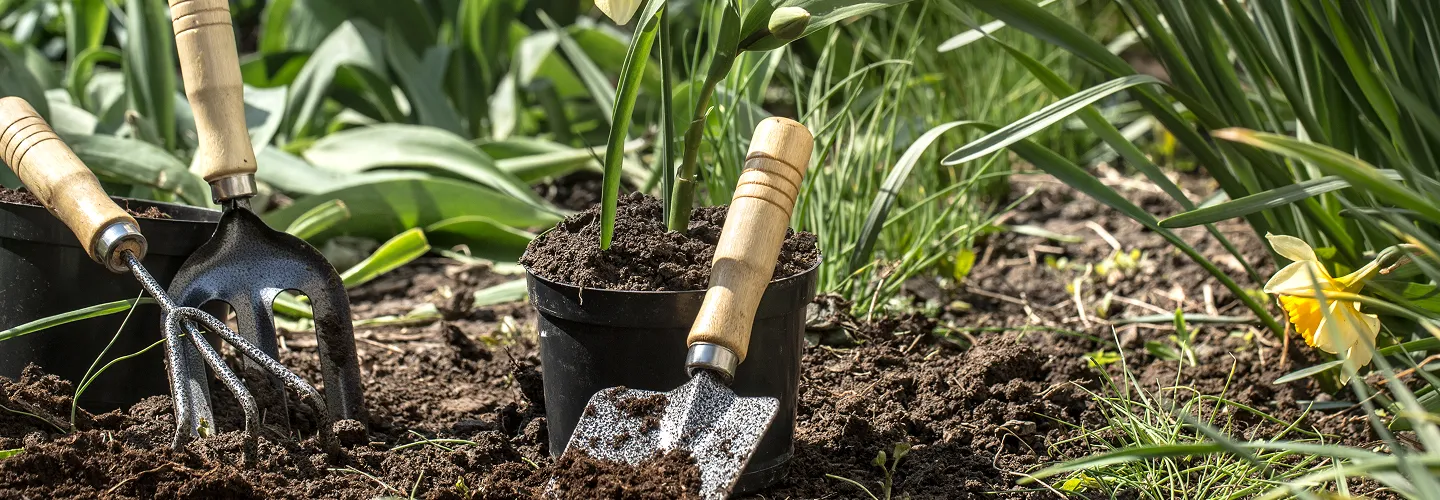
Branford Lawn Edging Services
Choose our expert lawn edging for a polished, professional look that enhances curb appeal, prevents grass overgrowth, and makes yard maintenance easier than ever.
Get a Free QuoteOur Branford Landscaping & Yard Care Services
When to Schedule Lawn Edging in Branford, Connecticut – Seasonal Guide
In Branford, Connecticut, the best times to schedule lawn edging are typically in early spring and late summer. Branford’s coastal climate, with its humid summers and cold winters, means that soil conditions and grass growth cycles are unique compared to other regions. For neighborhoods near Branford Point or along Main Street, spring edging helps define crisp borders after winter frost has receded, while late summer edging prepares your landscape for the fall leaf drop and winter dormancy.
Local environmental factors play a significant role in determining the optimal timing for lawn edging. Branford’s proximity to Long Island Sound brings higher humidity and occasional salt spray, which can affect soil composition and grass health. Areas with dense shade, such as those near the Branford Supply Ponds, may experience slower grass growth, while properties on rocky or sloped terrain require special attention to prevent soil erosion. It’s also important to consider Branford’s average last frost date in mid-April and the potential for summer droughts, which can impact both the ease and effectiveness of edging. For more information on local climate and landscaping guidelines, visit the Sudbury municipal resource.
Local Factors to Consider for Lawn Edging in Branford
- Tree density and shade coverage, especially in neighborhoods like Pine Orchard
- Soil type and drainage, which can vary from sandy near the shoreline to rocky inland
- Seasonal precipitation patterns and risk of summer drought
- Terrain slope and risk of erosion on hilly properties
- Municipal restrictions or guidelines for landscaping and lawn maintenance
Benefits of Lawn Edging in Branford

Enhanced Curb Appeal
Defined Landscape Borders
Reduced Weed Growth
Improved Lawn Maintenance
Increased Property Value
Professional and Clean Finish

Branford Lawn Edging Types

Brick Lawn Edging
Brick edging offers a classic and durable border for your landscape.
-
Metal Lawn Edging
Metal edging provides a sleek, modern look and long-lasting performance.
-
Plastic Lawn Edging
Plastic edging is a cost-effective and flexible solution for defining garden beds.
-
Stone Lawn Edging
Stone edging adds a natural and elegant touch to any outdoor space.
-
Concrete Lawn Edging
Concrete edging delivers a sturdy and customizable border for lawns and gardens.
-
Wood Lawn Edging
Wood edging brings a rustic charm and blends seamlessly with natural landscapes.
Our Lawn Edging Process
Site Evaluation
Marking Edges
Cutting the Edge
Debris Removal
Final Inspection
Why Choose Branford Landscape Services

-
Branford Homeowners Trust Us
-
Expert Lawn Maintenance
-
Reliable Seasonal Cleanups
-
Competitive Pricing
-
Professional Team
-
Satisfaction Guarantee
-
Personalized Service
Branford’s Glacial Till Soils and Lawn Edging Installation Requirements
Branford’s predominant soils, as identified by the USDA Web Soil Survey, are Inceptisols and Ultisols formed from glacial till, often characterized by moderate acidity (pH 5.5–6.5), stony texture, and variable drainage. These conditions require careful site assessment before lawn edging installation. For optimal results, edging trenches should be excavated to a depth of 4–6 inches, with additional gravel or sand added in poorly drained areas to prevent water accumulation. Soil testing is recommended prior to installation; tests are available through UConn Extension for a typical fee of $15–25. Amendments such as lime may be necessary if pH falls below 6.0. When working near wetlands or conservation areas, maintain a minimum 25-foot buffer as required by local ordinance. Coordination with Branford’s Department of Public Works is essential for projects affecting public right-of-way.
Branford Department of Public Works
137 Pine Orchard Road, Branford, CT 06405
Phone: (203) 488-4156
Official Website: Branford Department of Public Works
Equipment Operation Hours and Noise Ordinance Compliance for Lawn Edging in Branford
Lawn edging activities in Branford are subject to municipal noise ordinances to minimize disturbance in residential areas. Permitted equipment operation hours are:
- Monday–Friday: 7:00 AM – 7:00 PM
- Saturday: 8:00 AM – 6:00 PM
- Sunday and holidays: Prohibited All power equipment must be maintained with functional mufflers, and noise levels should not exceed 85 decibels at the property line. Operators working within 50 feet of public roads must implement safety measures, including high-visibility vests and advance warning signage. For projects in historic districts or near protected areas, additional restrictions may apply; consult the Branford Building Department for permit requirements and review timelines (typically 5–10 business days, with fees ranging from $25–75).
Branford Building Department
1019 Main Street, Branford, CT 06405
Phone: (203) 488-1255
Official Website: Branford Building Department
Stormwater Management and Environmental Compliance for Lawn Edging Near Branford Wetlands
Lawn edging projects adjacent to Branford’s wetlands, streams, or Long Island Sound must comply with both local and state environmental regulations. The Connecticut Environmental Protection Act and Branford’s Conservation and Environmental Commission require a 25-foot no-disturbance buffer from delineated wetlands and watercourses. The town’s MS4 permit, administered under the Clean Water Act, prohibits the discharge of soil, mulch, or debris into storm drains. Best practices include:
- Installing silt fencing or straw wattles during excavation
- Collecting and properly disposing of all soil and debris
- Avoiding fertilizer or herbicide application within 50 feet of water bodies Violations may result in fines or project delays. For guidance on compliance and permit applications, contact the Branford Conservation and Environmental Commission.
Branford Conservation and Environmental Commission
1019 Main Street, Branford, CT 06405
Phone: (203) 315-0622
Official Website: Branford Conservation and Environmental Commission
Seasonal Timing and Weather Considerations for Lawn Edging in Branford’s Coastal Climate
Branford’s coastal location places it in USDA Hardiness Zone 6b–7a, with average last frost in late April and first frost in late October. The optimal window for lawn edging installation is April 15–June 15 or September 1–October 15, when soil temperatures are between 50–65°F and moisture levels are moderate. Avoid edging during July–August due to heat stress and potential soil compaction. Monitor local weather forecasts through the National Weather Service New Haven Office to avoid scheduling work during heavy rainfall, which can increase erosion risk. For large projects, coordinate with the Branford Engineering Department to review drainage impacts and ensure compliance with municipal stormwater standards.
Branford Engineering Department
1019 Main Street, Branford, CT 06405
Phone: (203) 488-3125
Official Website: Branford Engineering Department
What Neighborhoods Do We Serve Throughout Branford, CT?
- Short Beach: Coastal soils with high sand content and salt exposure require corrosion-resistant edging materials and careful drainage planning to prevent runoff into Long Island Sound.
- Stony Creek: Rocky glacial till and proximity to conservation lands necessitate hand excavation and strict adherence to wetland buffer regulations.
- Branford Center: Dense development and historic district status mean narrow setbacks, increased permitting requirements, and noise ordinance enforcement for all edging work.
- Pine Orchard: Larger lots with mature trees and clay-rich soils demand deep edging and root barrier installation to prevent encroachment and maintain drainage.
- Indian Neck: Floodplain location and high water table require raised edging and permeable materials to reduce stormwater impact and comply with MS4 standards.
- Brushy Plain: Suburban area with compacted soils and moderate slopes, where mechanical edging must be carefully managed to avoid erosion and maintain property boundaries.
- Tabor: Proximity to Branford River and protected wetlands means strict compliance with buffer zones and additional review by the Conservation and Environmental Commission.